Buy youshow.eu ?
We are moving the project
youshow.eu .
Are you interested in purchasing the domain
youshow.eu ?
domain@kv-gmbh.de · 0541-91531010
Buy youshow.eu ?
How could AIs think conceptually?
AIs could think conceptually by utilizing deep learning algorithms to recognize patterns and relationships within data. By processing vast amounts of information, AIs can identify similarities and differences between objects or ideas, allowing them to form abstract concepts. Additionally, AIs can be programmed with semantic networks or knowledge graphs to understand how different concepts are related to each other, enabling them to think conceptually. Overall, AIs can think conceptually by mimicking the way human brains process information and make connections between different concepts. **
What does the conceptually analogous method of Surrealism mean?
Surrealism is a cultural movement that began in the early 1920s, focusing on unleashing the creative potential of the unconscious mind. The conceptually analogous method of Surrealism involves tapping into the subconscious to create art that is dreamlike, irrational, and often shocking. Artists use techniques such as automatic writing, free association, and juxtaposition of unexpected elements to create works that challenge conventional reality and explore the depths of the human psyche. This method aims to reveal hidden truths and provoke thought by bypassing rational thought processes and tapping into the realm of the unconscious. **


Similar search terms for Conceptually Theory
Top-Angebote
Products related to Conceptually Theory:
-
Stationery Office The Official DVSA Theory Test for Car Drivers 2026: DVSA Theory Test Cars 2026 new ed (Statutory Instruments 2018)Prepare to Pass Your Theory Test First Time Get ready to ace the multiple-choice section of your theory test with the number-one best-selling theory test book – the ONLY official expert revision guide. This new edition has been updated to include the latest changes to the car theory test revision questions. Key features: Practice questions: Includes ALL the official DVSA theory test revision questions for all 14 topics, so you can see how much you've learnt. From theory to practice: Things to discuss and practise with your instructor to help you apply the theory when you're behind the wheel. Bite-size information: Written in an easy-to-remember way that links the theory to your practical driving experience, helping you to really understand. Learn your way: Features loads of photos and diagrams, links to more information and videos online, hints and tips to help you learn, and expert advice on what to expect on the day. Extra help to understand the answers: Each question includes references to the official source materials, where you can learn more.16,99 £*Shipping: 2,99 £Secure redirect to the provider
-
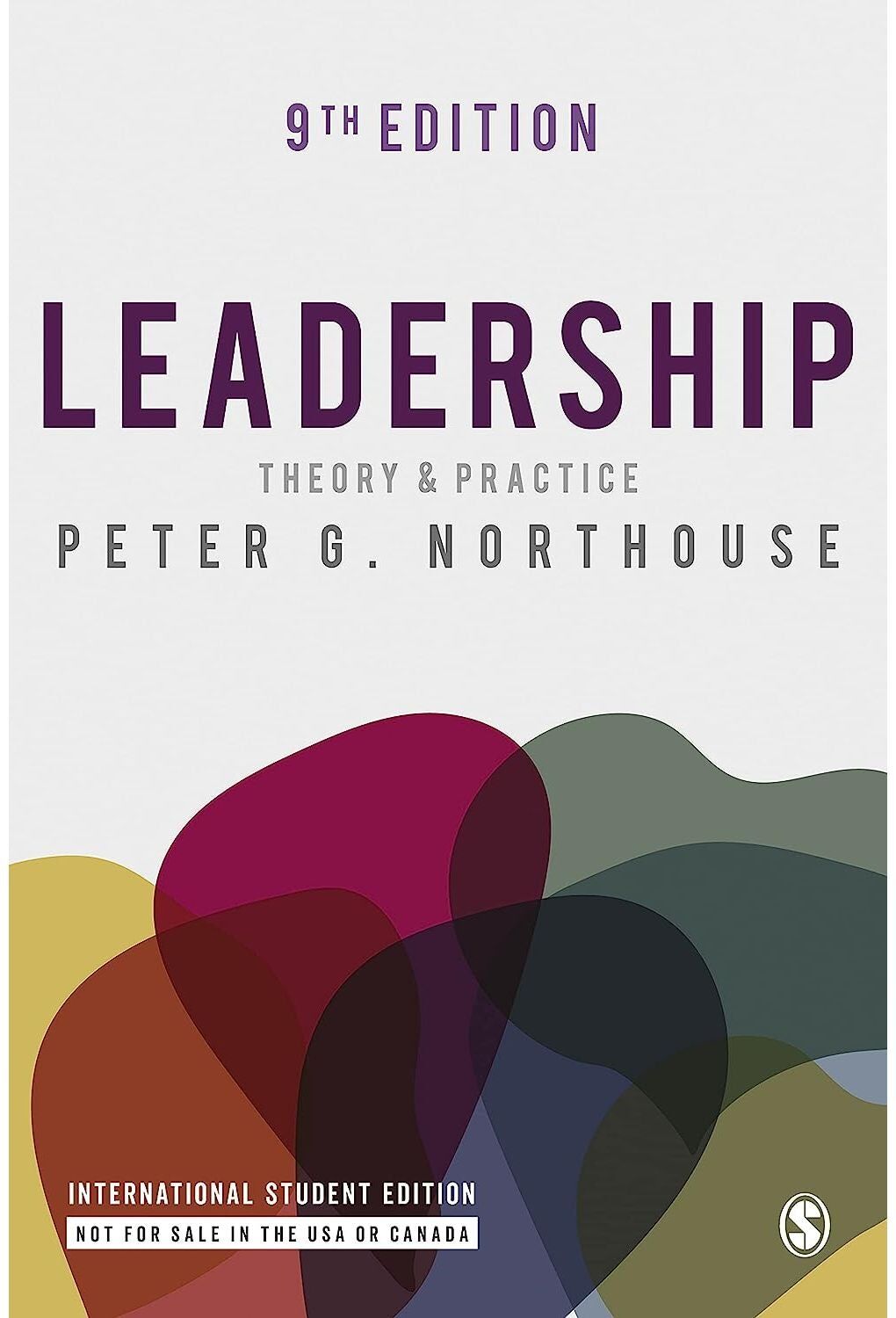
SAGE Publications Leadership - International Student Edition: Theory and PracticeThe market-leading Leadership: Theory and Practice by Peter G. Northouse presents an academically robust account of the major theories and models of leadership with a focus on how theory can inform practice. Case studies and questionnaires provide students with practical examples and opportunities to deepen their understanding of their own leadership style.The fully updated Ninth Edition features a new chapter on inclusive leadership, 17 new real-world cases that profile leaders from across the globe, a new discussion on leadership and morality, and examples of timely issues such as leadership during the COVID-19 pandemic. Key features include: A consistent chapter structure that outlines each approach and the major studies behind them, presents strengths and criticisms for each approach, and provides case studies and a self-assessment questionnaire at the end of each chapter, allowing students to easily compare and contrast the various theories. Three case studies in each chapter help students to apply leadership concepts in real-world scenarios. Self-assessments within each chapter provides self-assessment and reflection opportunities for each theory presented.45,49 £*Shipping: 0,00 £Secure redirect to the provider
-
Trouble Maker Curl Theory volumising mascara shade Black 7 mlTrouble Maker Curl Theory, 7 ml, Mascaras for Women, Do you want to enhance your eyes and bring out their natural beauty? The Trouble Maker Curl Theory mascara will help you. It coats all of your lashes with an even layer of intense, rich colour from root to tip, making them appear longer and amazingly voluminous. In the wink of an eye, your eyelashes will look thicker and fuller, giving your look more depth and drama. Characteristics: curls lashes brilliantly thickens eyelashes significantly extends the length of eyelashes does not smudge intense colour Ingredients: vegan product How to use: Apply the mascara to the eyelashes with gentle strokes from the root to the tip. For greater emphasis apply several coats.1,87 £*Shipping: 3,99 £Secure redirect to the provider
-
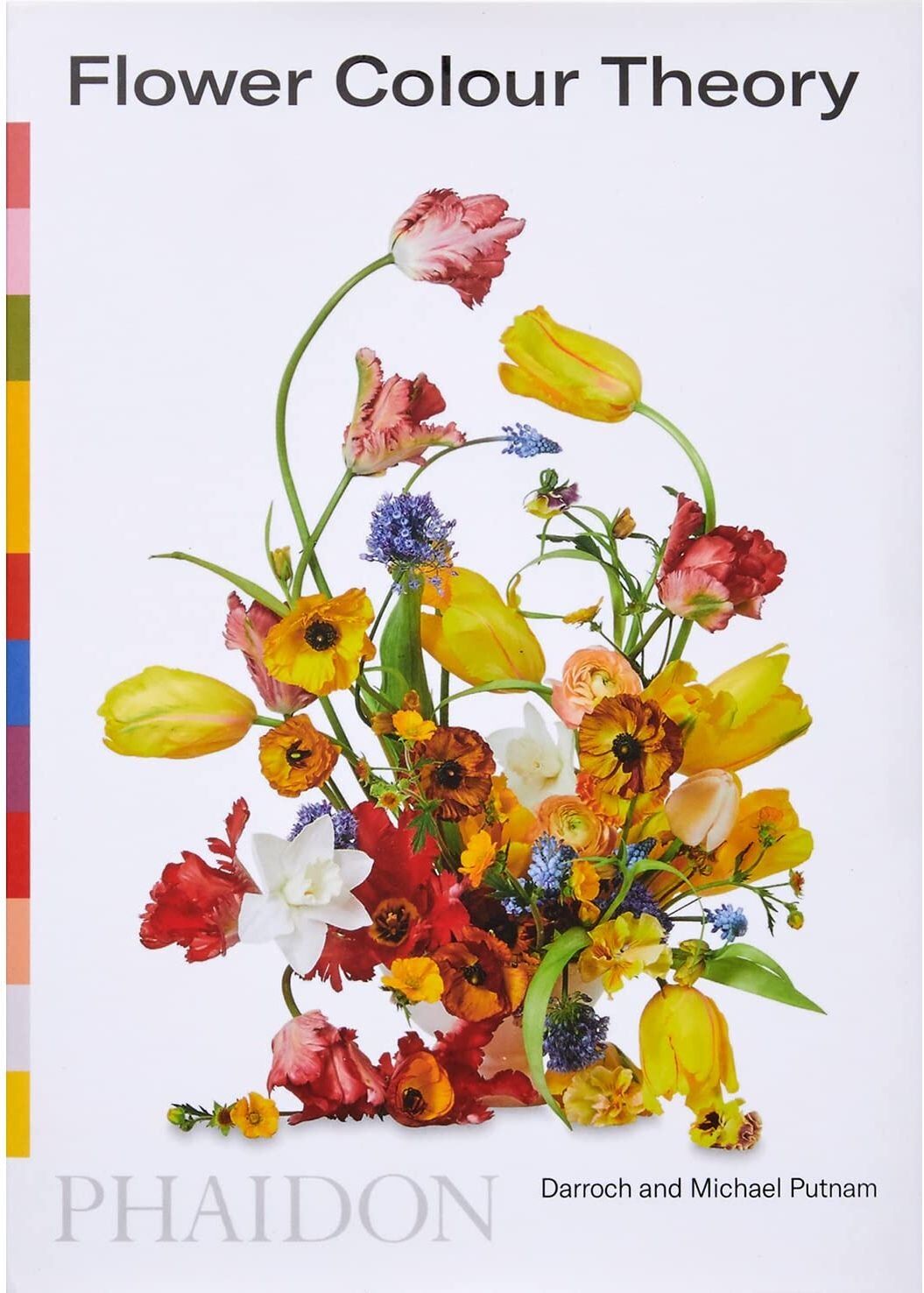
Phaidon Press Flower Colour Theory by Taylor Putnam, Michael PutnamThe ultimate flower-arrangement reference book from New York's 'go-to' floral designers Putnam & Putnam - how to combine the extraordinary colours in nature to create stunning results Cult floral designers Taylor Putnam and Michael Putnam's Flower Colour Theory, the follow-up to their acclaimed globally bestselling debut Flower Colour Guide, is the only guide that uses colour theory as the starting point for floral design. The book features 175 arrangements that show myriad ways to combine flowers of different shades and hues, all built around classic categories including analogous, complementary, monochrome, triadic, transitional, and accent colours. Flower Colour Theory is both inspirational and a practical guide to creating lush, romantic, and effortlessly elegant creations of your own.17,99 £*Shipping: 2,99 £Secure redirect to the provider


-
What does narratively mean and what does conceptually mean?
Narratively refers to the way a story is told, including its structure, plot, and character development. It focuses on the sequence of events and how they are presented to the audience. On the other hand, conceptually refers to the underlying ideas or themes that drive a story. It deals with the deeper meaning or message that the narrative conveys, exploring the concepts and philosophies behind the story. **
-
Why have law and morality been conceptually separated since Kant?
Law and morality have been conceptually separated since Kant because he argued that moral principles should be based on rationality and universalizability, while laws should be based on social and political considerations. Kant believed that morality should be based on the inherent worth of individuals and their ability to reason, while laws should be based on the need for social order and the protection of individual rights. This separation allows for the recognition of the autonomy of individuals in making moral choices, while also acknowledging the necessity of legal regulations for the functioning of society. Additionally, separating law and morality allows for the recognition of diverse moral beliefs within a society, while still maintaining a system of legal governance. **
-
Can a student also be referred to purely conceptually as a student?
Yes, a student can be referred to purely conceptually as a student. The term "student" refers to someone who is studying at an educational institution, and this concept can be applied to anyone who is engaged in learning, regardless of their age or formal enrollment in a school. Therefore, the concept of a student can be applied to individuals who are self-taught, enrolled in a formal educational program, or engaged in informal learning. **
-
What is the complementary event in probability theory?
In probability theory, the complementary event is the event that consists of all outcomes that are not in the given event. It is essentially the opposite of the given event. The probability of the complementary event occurring is equal to 1 minus the probability of the given event occurring. This concept is often used to simplify calculations and make it easier to determine probabilities. **


What is a complementary event in probability theory?
In probability theory, a complementary event is the event that consists of all outcomes that are not in the given event. For example, if the event of interest is rolling a 6 on a fair six-sided die, then the complementary event would be rolling any number other than 6. The probability of the complementary event is equal to 1 minus the probability of the given event. Complementary events are useful in calculating probabilities and can help simplify calculations in certain situations. **
How do you formulate the complementary event in probability theory?
In probability theory, the complementary event of an event A is denoted as A'. It represents all the outcomes that are not in event A. To formulate the complementary event, we simply consider all the outcomes that are not in event A and assign them to A'. Mathematically, the complementary event A' can be expressed as the set of all outcomes in the sample space that are not in event A. This can be written as A' = S - A, where S is the sample space and A is the event. **
Top-Angebote
Products related to Conceptually Theory:
-
RLF Home String Theory Regal Valance"RLF Home String Theory Regal Valance. Mesmerizing pattern with lines and splats. Decorator's quality fabrics. Ivory Poly/Cotton Lining. 3"" Rod Pocket Use a 2-1/2"" Continental curtain rod, regular 3/4"" Curtain rod or tension rod. Fits Windows up to..."67,89 $*Shipping: 0,00 $Secure redirect to the provider
-
KALATY Theory Distressed Multi-Colored Abstract Area RugThis rug features luxuriously plush, modern artistic abstract patterns that pair perfectly with mid-century modern and other popular, contemporary furniture styles. Power-loomed of 100% polypropylene for durability and rich colors that last.475,19 $*Shipping: 0,00 $Secure redirect to the provider
-
Stationery Office The Official DVSA Theory Test for Car Drivers 2026: DVSA Theory Test Cars 2026 new ed (Statutory Instruments 2018)Prepare to Pass Your Theory Test First Time Get ready to ace the multiple-choice section of your theory test with the number-one best-selling theory test book – the ONLY official expert revision guide. This new edition has been updated to include the latest changes to the car theory test revision questions. Key features: Practice questions: Includes ALL the official DVSA theory test revision questions for all 14 topics, so you can see how much you've learnt. From theory to practice: Things to discuss and practise with your instructor to help you apply the theory when you're behind the wheel. Bite-size information: Written in an easy-to-remember way that links the theory to your practical driving experience, helping you to really understand. Learn your way: Features loads of photos and diagrams, links to more information and videos online, hints and tips to help you learn, and expert advice on what to expect on the day. Extra help to understand the answers: Each question includes references to the official source materials, where you can learn more.16,99 £*Shipping: 2,99 £Secure redirect to the provider
-
SAGE Publications Leadership - International Student Edition: Theory and PracticeThe market-leading Leadership: Theory and Practice by Peter G. Northouse presents an academically robust account of the major theories and models of leadership with a focus on how theory can inform practice. Case studies and questionnaires provide students with practical examples and opportunities to deepen their understanding of their own leadership style.The fully updated Ninth Edition features a new chapter on inclusive leadership, 17 new real-world cases that profile leaders from across the globe, a new discussion on leadership and morality, and examples of timely issues such as leadership during the COVID-19 pandemic. Key features include: A consistent chapter structure that outlines each approach and the major studies behind them, presents strengths and criticisms for each approach, and provides case studies and a self-assessment questionnaire at the end of each chapter, allowing students to easily compare and contrast the various theories. Three case studies in each chapter help students to apply leadership concepts in real-world scenarios. Self-assessments within each chapter provides self-assessment and reflection opportunities for each theory presented.45,49 £*Shipping: 0,00 £Secure redirect to the provider
-
How could AIs think conceptually?
AIs could think conceptually by utilizing deep learning algorithms to recognize patterns and relationships within data. By processing vast amounts of information, AIs can identify similarities and differences between objects or ideas, allowing them to form abstract concepts. Additionally, AIs can be programmed with semantic networks or knowledge graphs to understand how different concepts are related to each other, enabling them to think conceptually. Overall, AIs can think conceptually by mimicking the way human brains process information and make connections between different concepts. **
-
What does the conceptually analogous method of Surrealism mean?
Surrealism is a cultural movement that began in the early 1920s, focusing on unleashing the creative potential of the unconscious mind. The conceptually analogous method of Surrealism involves tapping into the subconscious to create art that is dreamlike, irrational, and often shocking. Artists use techniques such as automatic writing, free association, and juxtaposition of unexpected elements to create works that challenge conventional reality and explore the depths of the human psyche. This method aims to reveal hidden truths and provoke thought by bypassing rational thought processes and tapping into the realm of the unconscious. **
-
What does narratively mean and what does conceptually mean?
Narratively refers to the way a story is told, including its structure, plot, and character development. It focuses on the sequence of events and how they are presented to the audience. On the other hand, conceptually refers to the underlying ideas or themes that drive a story. It deals with the deeper meaning or message that the narrative conveys, exploring the concepts and philosophies behind the story. **
-
Why have law and morality been conceptually separated since Kant?
Law and morality have been conceptually separated since Kant because he argued that moral principles should be based on rationality and universalizability, while laws should be based on social and political considerations. Kant believed that morality should be based on the inherent worth of individuals and their ability to reason, while laws should be based on the need for social order and the protection of individual rights. This separation allows for the recognition of the autonomy of individuals in making moral choices, while also acknowledging the necessity of legal regulations for the functioning of society. Additionally, separating law and morality allows for the recognition of diverse moral beliefs within a society, while still maintaining a system of legal governance. **
Similar search terms for Conceptually Theory
-
Trouble Maker Curl Theory volumising mascara shade Black 7 mlTrouble Maker Curl Theory, 7 ml, Mascaras for Women, Do you want to enhance your eyes and bring out their natural beauty? The Trouble Maker Curl Theory mascara will help you. It coats all of your lashes with an even layer of intense, rich colour from root to tip, making them appear longer and amazingly voluminous. In the wink of an eye, your eyelashes will look thicker and fuller, giving your look more depth and drama. Characteristics: curls lashes brilliantly thickens eyelashes significantly extends the length of eyelashes does not smudge intense colour Ingredients: vegan product How to use: Apply the mascara to the eyelashes with gentle strokes from the root to the tip. For greater emphasis apply several coats.1,87 £*Shipping: 3,99 £Secure redirect to the provider
-
Phaidon Press Flower Colour Theory by Taylor Putnam, Michael PutnamThe ultimate flower-arrangement reference book from New York's 'go-to' floral designers Putnam & Putnam - how to combine the extraordinary colours in nature to create stunning results Cult floral designers Taylor Putnam and Michael Putnam's Flower Colour Theory, the follow-up to their acclaimed globally bestselling debut Flower Colour Guide, is the only guide that uses colour theory as the starting point for floral design. The book features 175 arrangements that show myriad ways to combine flowers of different shades and hues, all built around classic categories including analogous, complementary, monochrome, triadic, transitional, and accent colours. Flower Colour Theory is both inspirational and a practical guide to creating lush, romantic, and effortlessly elegant creations of your own.17,99 £*Shipping: 2,99 £Secure redirect to the provider
-
Bodiq Theory of Microbiome Daily Hydro-Balancing Body Cleanser 250mLA cleansing product for dry or dehydrated skin. The This product is a gentle daily body cleanser developed to help maintain the skin’s natural balance while cleansing and hydrating. Enriched with microbiome-supporting ferments, peptides, and moisturizing ingredients, it helps leave the skin feeling soft, smooth, and comfortable after every wash.17,08 £*Shipping: 7,11 £Secure redirect to the provider
-
Vans OLD SKOOL TAPERED UNISEX - Trainers - Theory Oatmeal - Size 12Overview The Vans Old Skool Tapered Trainers deliver a modern, slimmed-down interpretation of the iconic Vans silhouette. Designed for everyday comfort and timeless street style, these unisex trainers combine versatility with a lightweight fit, making them ideal for casual wear, skate style outfits, and all-day use. Key Features Sleeker, tapered redesign of the classic Vans Old Skool Premium canvas upper in Theory Oatmeal for a clean, neutral look Signature Vans Sidestripe detailing Cushioned insole for everyday comfort Durable rubber waffle outsole for superior grip Lightweight construction for an easy, flexible fit Lace-up closure for a secure and customisable feel Unisex design suitable for all genders Size UK 12 Benefits These Vans Old Skool Tapered Trainers offer the perfect blend of classic Vans heritage and a more refined modern shape. The slim profile enhances comfort and styling flexibility, while the durable waffle sole ensures long-lasting wear. Their neutral Theory Oatmeal finish pairs easily with any outfit, making them an ideal choice for urban lifestyles, everyday fashion, and anyone wanting a versatile trainer with iconic appeal. Specifications Table Specification Details Model Old Skool Tapered Unisex Colour Theory Oatmeal Size UK 12 Upper Material Canvas Sole Waffle Rubber Outsole Closure Lace-Up Fit Tapered, Slim Profile Gender Unisex Style Casual / Lifestyle / Skate-Inspired76,99 £*Shipping: 0,00 £Secure redirect to the provider
-
Can a student also be referred to purely conceptually as a student?
Yes, a student can be referred to purely conceptually as a student. The term "student" refers to someone who is studying at an educational institution, and this concept can be applied to anyone who is engaged in learning, regardless of their age or formal enrollment in a school. Therefore, the concept of a student can be applied to individuals who are self-taught, enrolled in a formal educational program, or engaged in informal learning. **
-
What is the complementary event in probability theory?
In probability theory, the complementary event is the event that consists of all outcomes that are not in the given event. It is essentially the opposite of the given event. The probability of the complementary event occurring is equal to 1 minus the probability of the given event occurring. This concept is often used to simplify calculations and make it easier to determine probabilities. **
-
What is a complementary event in probability theory?
In probability theory, a complementary event is the event that consists of all outcomes that are not in the given event. For example, if the event of interest is rolling a 6 on a fair six-sided die, then the complementary event would be rolling any number other than 6. The probability of the complementary event is equal to 1 minus the probability of the given event. Complementary events are useful in calculating probabilities and can help simplify calculations in certain situations. **
-
How do you formulate the complementary event in probability theory?
In probability theory, the complementary event of an event A is denoted as A'. It represents all the outcomes that are not in event A. To formulate the complementary event, we simply consider all the outcomes that are not in event A and assign them to A'. Mathematically, the complementary event A' can be expressed as the set of all outcomes in the sample space that are not in event A. This can be written as A' = S - A, where S is the sample space and A is the event. **
* All prices are inclusive of VAT and, if applicable, plus shipping costs. The offer information is based on the details provided by the respective shop and is updated through automated processes. Real-time updates do not occur, so deviations can occur in individual cases. ** Note: Parts of this content were created by AI.